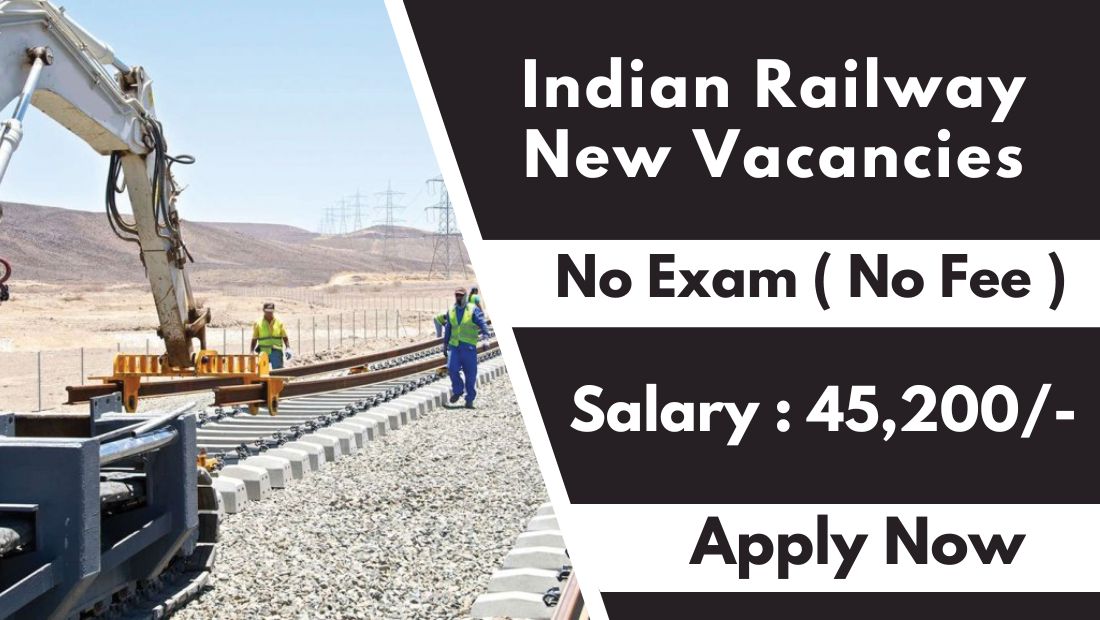
Indian Railway new vacancies are among the most searched government job opportunities in India every year. For millions of aspirants, a railway job is not just employment, it is a symbol of stability, respect, and long-term security. Whether you come from a rural background or a metro city, Indian Railways offers equal opportunity through transparent and merit-based recruitment.
In 2026, Indian Railways is expected to release a large number of new vacancies across different categories due to network expansion, modernization projects, and retirement of existing staff. This article is written to help you clearly understand the latest Indian Railway vacancies, job types, eligibility, salary, and career growth, in a simple and human way.
This guide is suitable for freshers, experienced candidates, and anyone planning to build a secure government career.
Why Indian Railway Jobs Are So Popular in India
Indian Railway jobs remain highly desirable because they offer permanent government service. Unlike private-sector jobs, railway employment provides fixed income, job security, and social benefits that continue even after retirement.
Another major reason is accessibility. Indian Railways recruits candidates with qualifications ranging from 10th pass to engineering graduates. This makes railway jobs reachable for a wide section of society.
From a real-life perspective, many families across India have at least one member working in Indian Railways. Their steady income, medical facilities, and travel benefits often become a strong motivation for the next generation to prepare for railway exams.
Types of Indian Railway New Vacancies Explained Clearly
Indian Railway vacancies are divided into categories based on job role, qualification, and responsibility. Understanding these categories helps you choose the right post and prepare accordingly.
Main Categories of Railway Vacancies
| Vacancy Category | Common Job Roles | Minimum Qualification | Work Nature |
|---|---|---|---|
| Group D | Track Maintainer, Helper, Assistant Pointsman, Gateman | 10th pass or ITI | Field duty, maintenance, safety work |
| Group C Technical | Assistant Loco Pilot, Technician, Junior Engineer | ITI, Diploma, Engineering | Technical and operational roles |
| Group C Non-Technical | Clerk, Ticket Clerk, Accounts Assistant | 12th pass or Graduation | Office and customer-facing work |
| NTPC Graduate Level | Station Master, Commercial Apprentice | Graduation | Supervision and operations |
| Apprentice | Trade Apprentice, Workshop Apprentice | 10th pass + ITI | Training-based technical learning |
| Special Quota | Sports, Cultural, Ex-Servicemen | As per post | Category-specific recruitment |
This structured system ensures transparency and fairness in recruitment.
Eligibility Criteria for Indian Railway New Vacancies
Eligibility depends on the post you apply for, but Indian Railways follows standard government rules.
Educational Qualification
Group D posts usually require 10th pass or ITI from a recognized institute. Technical posts such as Assistant Loco Pilot or Technician require ITI or diploma. Graduate-level posts require a bachelor’s degree.
Age Limit
The general age limit is between 18 and 33 years. Age relaxation is available for reserved categories as per government norms.
Medical and Physical Fitness
Medical fitness is mandatory, especially for posts involving safety, night duty, or outdoor work. Group D posts also require candidates to pass a Physical Efficiency Test.
Apply Here
Selection Process: How Indian Railway Recruitment Works
The Indian Railway selection process is designed to be transparent and merit-based, which builds trust among candidates.
Most posts involve a Computer Based Test covering mathematics, reasoning, general awareness, and subject knowledge. For technical posts, a skill or trade test may be conducted.
Group D recruitment includes a Physical Efficiency Test to assess stamina and strength.
After clearing exams, candidates go through document verification and medical examination. Interviews are generally not conducted for most railway posts, reducing bias.
Salary Structure of Indian Railway Jobs
Indian Railway salaries are based on the 7th Pay Commission and include allowances such as Dearness Allowance, House Rent Allowance, and Travel Allowance.
Approximate Salary Details
| Post Name | Pay Level | Monthly In-Hand Salary |
|---|---|---|
| Group D Staff | Level 1 | ₹22,000 – ₹25,000 |
| Assistant Loco Pilot | Level 2 | ₹28,000 – ₹35,000 |
| Technician | Level 2 | ₹28,000 – ₹35,000 |
| Junior Clerk | Level 2 | ₹26,000 – ₹32,000 |
| Station Master | Level 6 | ₹40,000 – ₹50,000 |
| Junior Engineer | Level 6 | ₹42,000 – ₹55,000 |
With promotions and annual increments, salaries increase steadily over time.
Benefits of Working in Indian Railways
Railway employees enjoy benefits that many private-sector jobs cannot offer.
Medical treatment is provided through railway hospitals for employees and dependents.
Free or concessional railway passes are available for family travel.
Employees receive pension benefits under government schemes after retirement.
Housing facilities, paid leaves, and job security add to long-term peace of mind.
From an expert employment perspective, these benefits significantly reduce financial stress during emergencies.
Career Growth and Promotion Opportunities
Indian Railways provides structured career progression. Promotions happen through internal exams, seniority, and departmental assessments.
A Group D employee can move to technician or clerical roles over time. Junior Engineers can advance to senior engineering positions. Station Masters can move into higher administrative roles.
Regular training programs ensure employees adapt to new technologies and operational systems.
Who Should Apply for Indian Railway New Vacancies
Railway jobs are ideal for candidates seeking long-term stability and predictable career growth.
Freshers looking for a secure government job can start with Group D or clerk posts.
Candidates with technical skills can aim for Assistant Loco Pilot, Technician, or Junior Engineer roles.
Those who prefer structured work environments and defined responsibilities will find Indian Railways suitable.
Preparation Tips Based on Real Exam Trends
Successful candidates often follow a simple and consistent preparation strategy.
Focus on basics of mathematics, reasoning, and general awareness.
Practice previous year question papers to understand difficulty level.
Group D aspirants should start physical fitness preparation early.
Consistency and regular revision matter more than long study hours.
Final Thoughts
Indian Railway new vacancies in 2026 present a valuable opportunity for job seekers across India. With diverse job roles, fair selection process, strong salary structure, and lifelong benefits, railway jobs remain one of the most reliable government career options.
If you are planning a stable future with respect, security, and growth, Indian Railway recruitment deserves serious preparation. With dedication and the right strategy, achieving a railway job is completely possible.
